
Govt “Speed Dating” Recruitment Model Cutting Hiring Risk for NZ Manufacturers
A government and industry-backed recruitment model described by employers as “recruitment speed dating” is reshaping how manufacturers find and retain talent. First piloted in Waikato, the Earn as You Learn programme is delivering some of the strongest completion and employment outcomes seen in the sector while significantly reducing hiring risk for businesses.
With national expansion now underway, the recruitment model is being closely watched as a practical response to New Zealand’s deepening manufacturing skills shortage.
How the Recruitment Model Works in Practice
The Earn as You Learn recruitment model was launched as a collaboration between Waikato manufacturers, Advancing Manufacturing Aotearoa, WINTEC, the Waikato Engineering Careers Association and Workforce Development Council Hanga-Aro-Rau.
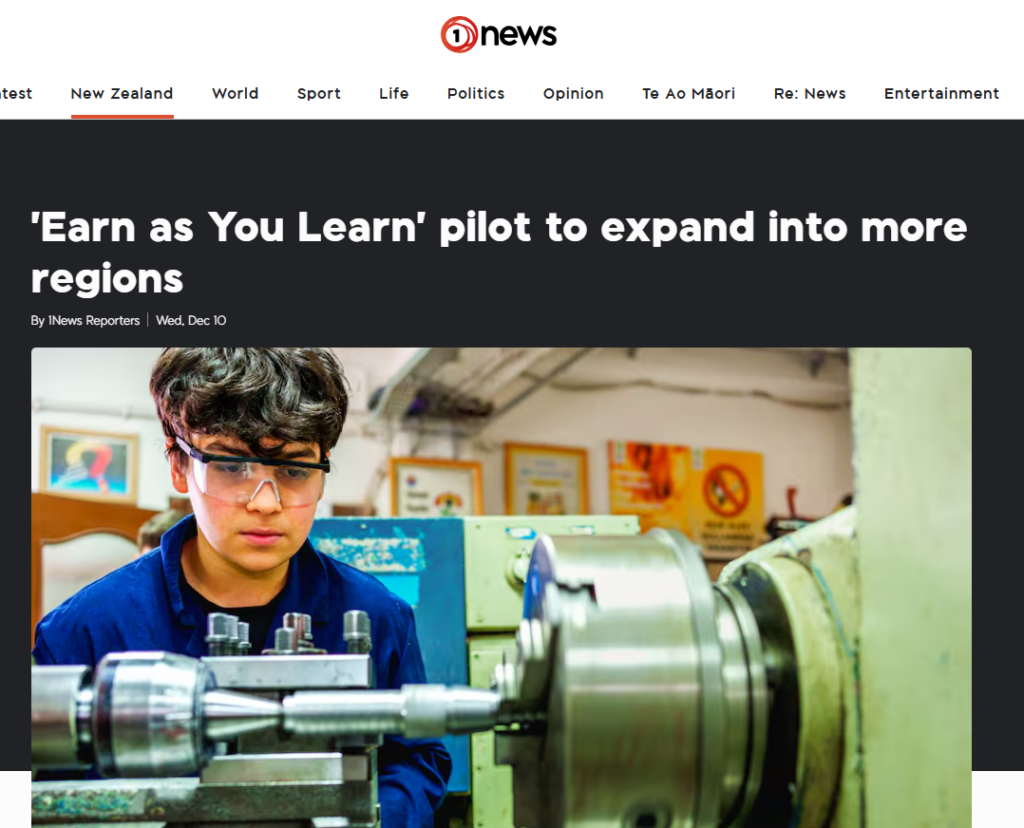
The 30-week structure combines paid workplace rotations with formal study. Learners spend two days a week at WINTEC’s Rotokauri Campus and three days embedded in advanced manufacturing businesses. Over the programme, participants rotate through three employers, gaining exposure to different technologies, production systems and workplace cultures.
This structure allows employers to assess capability over time rather than relying on short interviews, while learners earn income and a recognised qualification.
A Recruitment Model Designed for a Skills Shortage Economy
The recruitment model was developed as manufacturing, engineering and logistics face a projected shortfall of 157,000 workers over the next five years. Despite employing more than 220,000 people across 23,000 firms, the sector continues to struggle with attracting and retaining skilled workers.
Manufacturing contributes around eight percent of New Zealand’s GDP and accounts for approximately 60 percent of export earnings. According to MBIE labour market analysis, workforce shortages remain one of the most significant barriers to productivity growth.
Why Employers Say This Recruitment Model Works
Samantha McNaughton, deputy chief executive of Hanga-Aro-Rau, says the strength of the recruitment model lies in its alignment with real workplace needs.
“This programme brings together the strengths of classroom learning and in-work training in a way that genuinely reflects what employers need. Learners gain a recognised qualification while being paid, and employers get to see how they perform in real workplaces, which creates a practical and scalable way to close the workforce gap,” she says.
McNaughton says many outdated assumptions about manufacturing disappear once learners enter modern facilities.
“Many young people have never seen modern manufacturing up close, but once they do, the stereotypes fall away. Industry was clear about the skills required and education listened, which is why this recruitment model works,” she says.
“Recruitment Speed Dating” Reduces Hiring Risk
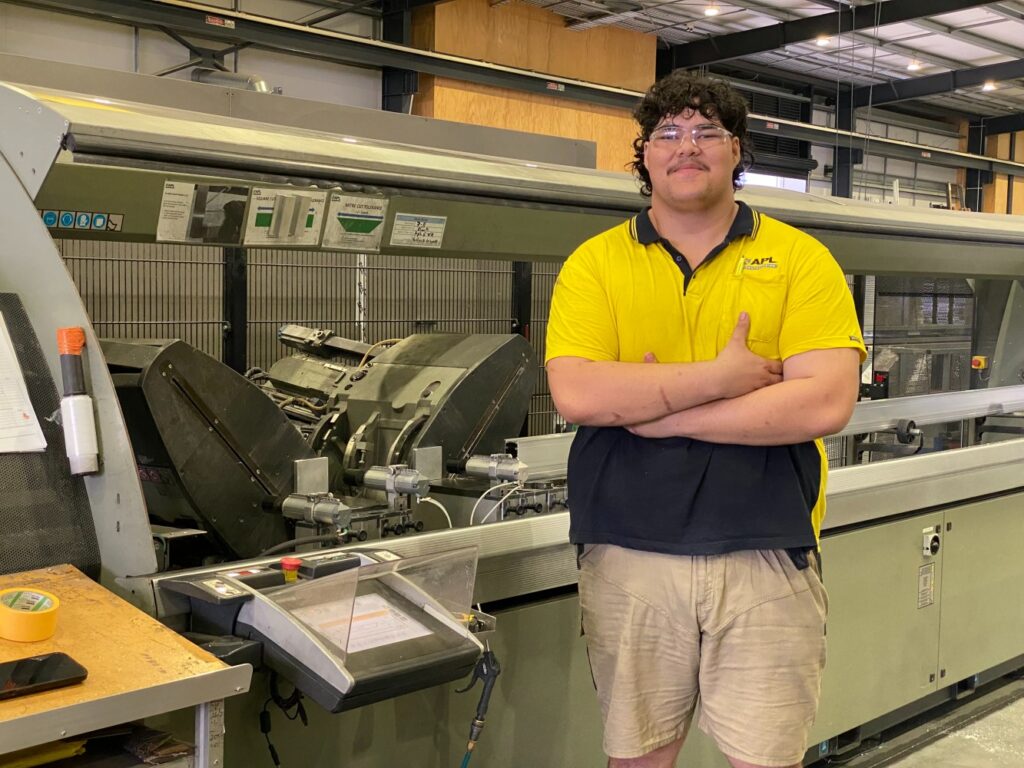
Howard Fountaine, general manager at APL Manufacturing, says the recruitment model has delivered efficiencies that traditional hiring simply cannot match.
“This is the closest thing to speed dating for recruitment. Instead of a half hour interview, we get ten weeks with each learner. The risk almost disappears because we already know how they work before offering them a job,” he says.
Fountaine says learner capability has consistently exceeded expectations, with strong engagement, analytical thinking and leadership potential emerging early.
“Of the ten students we hosted, we would have hired nine if roles were available. We even held vacancies open because the calibre coming through was so strong. Two have already stepped straight into trainee leading hand roles,” he says.
Clear Outcomes for Learners and Businesses
The first cohort will graduate with the NZ Certificate in Manufacturing Level 3 at a ceremony on 10 December. Of the 17 learners who completed all course requirements, nine have already secured full-time roles with host companies. A further two were already employed before starting the programme.
APL Manufacturing machine operator Nathaniel Lua says the recruitment model provided long-term security that other career pathways could not.
“I was offered a professional rugby contract overseas, but the risk didn’t feel right. This programme gave me paid experience, a qualification and a future at home. Once I saw modern manufacturing, I realised how many pathways there actually are,” he says.
National Expansion of the Recruitment Model
Following the Waikato pilot, a regional steering group is overseeing rollout into Lower Hutt, Canterbury and Auckland. Graduate numbers are expected to increase from 17 in year one to between 100 and 150 by 2027.
Employers say the recruitment model is also addressing a long-standing image problem, replacing outdated perceptions with firsthand exposure to high-tech, future-focused workplaces.
The story has been covered by national outlets including NZ Herald and Stuff, highlighting growing interest in practical workforce solutions.
The Role of Strategic PR in Scaling Recruitment Models
Recruitment models like Earn as You Learn rely on strong communication to gain traction, attract employer participation and shift public perception.
Impact PR works with industry, government and education providers to turn workforce initiatives into clear, credible narratives. As one of the PR agencies new zealand organisations rely on for complex industry stories, Impact PR helps programmes build awareness, legitimacy and momentum.
From national media engagement to stakeholder messaging, Impact PR supports recruitment models that deliver measurable economic outcomes. In skills-constrained sectors, visibility and clarity are essential to long-term success.